Remote Showings
Buyers Connect
Remote-first Inspections


Property management evolves constantly. If you’re a landlord who's opted to use a property manager to take care of your investment properties, you might feel in the dark at times about how much effort is being put into caring for your properties.
Data shows that self-managing landlords are on the rise worldwide. Why? Because they want to take their power back. They want to ensure their property is being looked after, and take matters into their own hands when it comes to safeguarding their expensive investment.
So, let’s talk about one of the most important aspects of caring for your property to have full peace of mind: Property Inspections.
The journey from traditional clipboard-based inspections to cloud-powered digital solutions represents a remarkable transformation. It’s a phenomenon that allows property investors to take matters into their own hands and ditch their property managers.
Let’s explore how property inspections have evolved and how innovative solutions like Tenant Connect are reshaping the industry.

Property inspections have deep roots in real estate history, dating way back to the 1500s when agricultural land assessments first became formalised in England. However, the modern concept of property inspections as we know them today didn’t take shape until much later:
1970s-1980s: The era of paper-based systems1990s: The emergence of standardisation

The traditional approach to property inspections came with numerous challenges that affected (and still affect) both landlords and tenants:
It’s a time intensive process
Issues with accuracy and consistency
It’s a resource drain
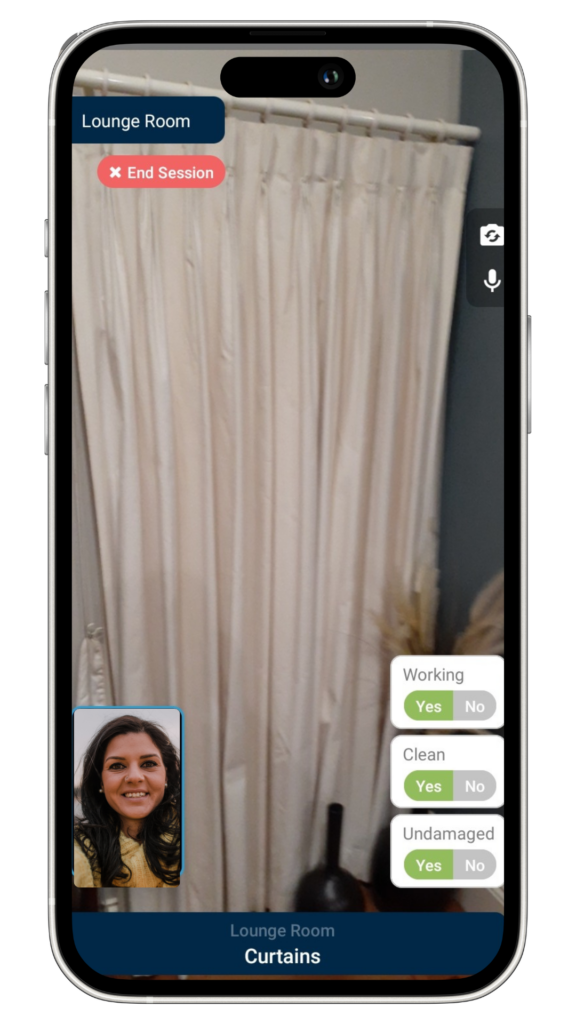
Today’s property inspection landscape is experiencing a revolutionary shift, driven by technological innovations. Tenant Connect is exceptionally proud to be at the forefront of this digitisation with its world's first remote, interactive remote inspection technology.
Here’s how modern tools like Tenant Connect address traditional inspection pain points:
Remote inspection capabilities
Automated documentation
Enhanced efficiency

The transition from traditional to digital inspections represents more than just technological advancement. It offers:
Time savings:
The evolution from clipboards to cloud-based solutions like Tenant Connect represents a fundamental shift in how we approach property inspections. As we continue to embrace digital transformation, the future of property inspections looks increasingly efficient, accurate, and environmentally conscious.
If you’re still inspecting the traditional way or paying for a property manager, it’s time to change.
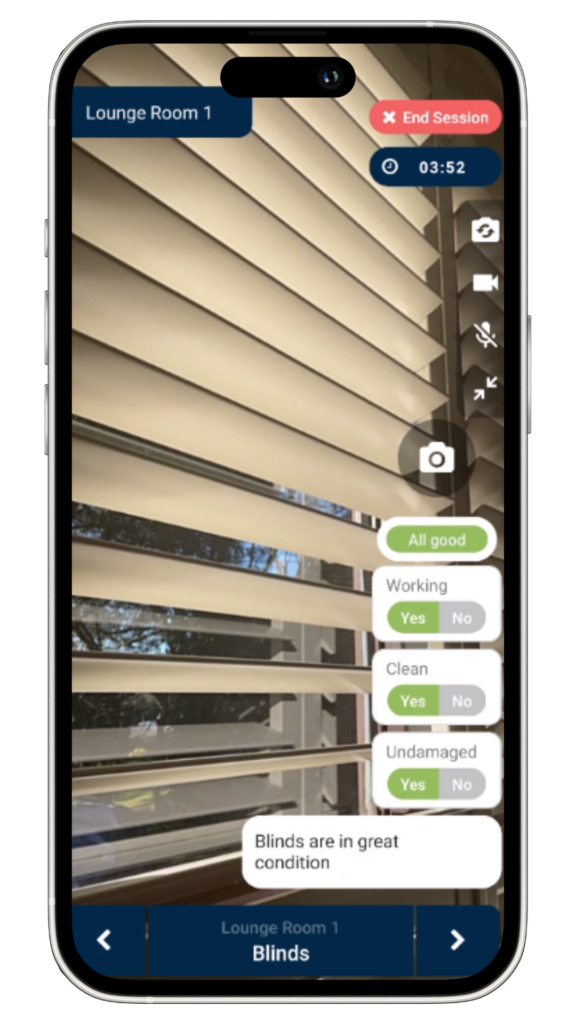
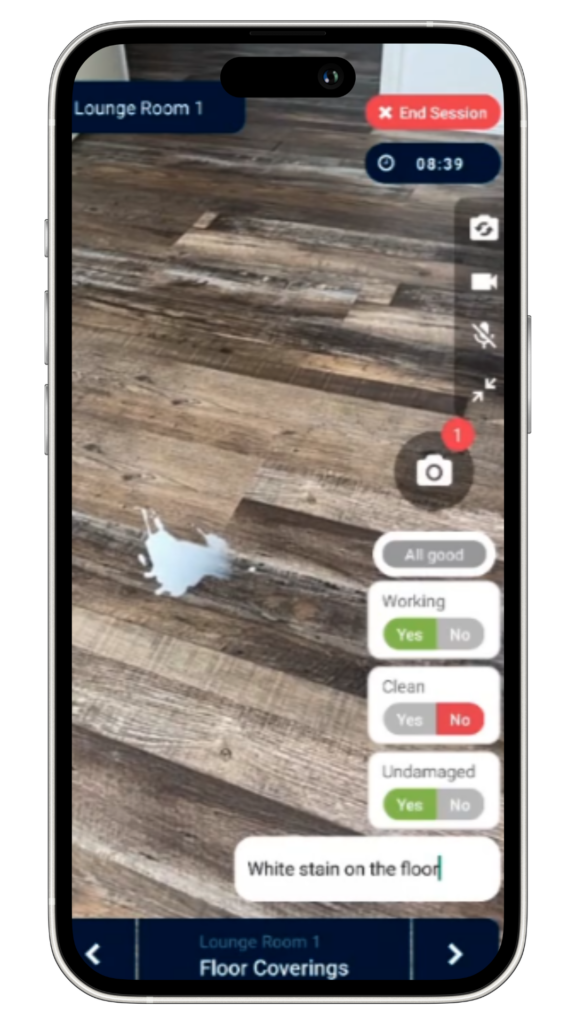
Download Tenant Connect for free to start inspecting remotely, thoroughly and effortlessly!
Keen to know more? Get in touch with us to start the conversation, or see our FAQs here.