Remote Showings
Buyers Connect
Stale Campaign
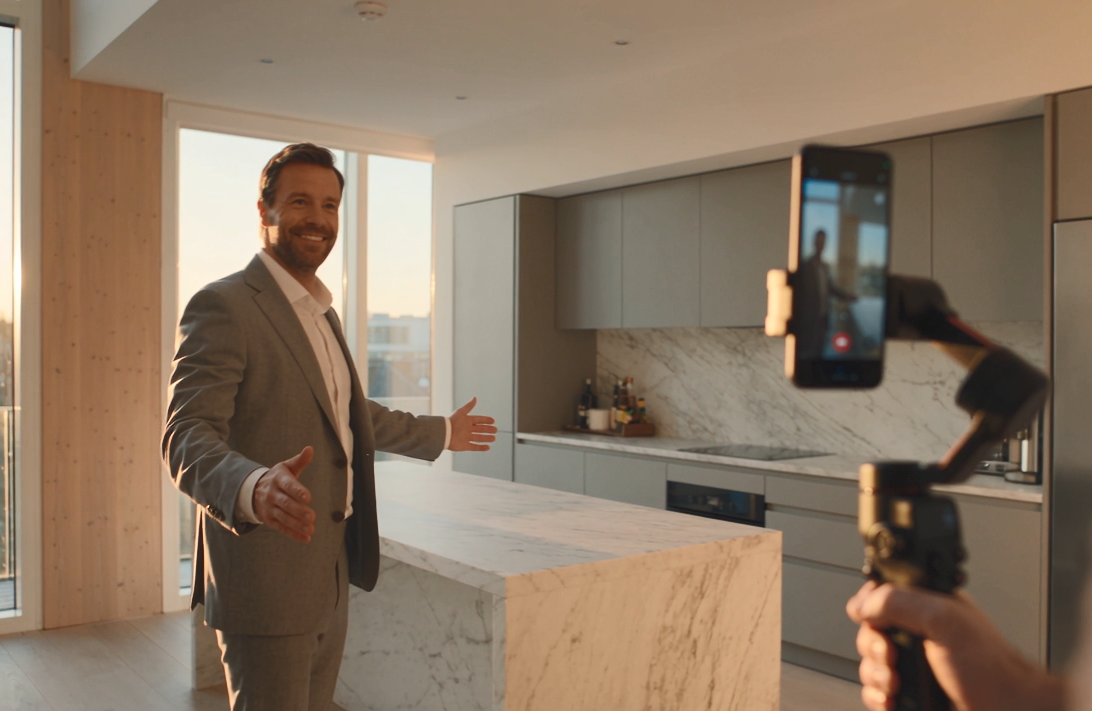

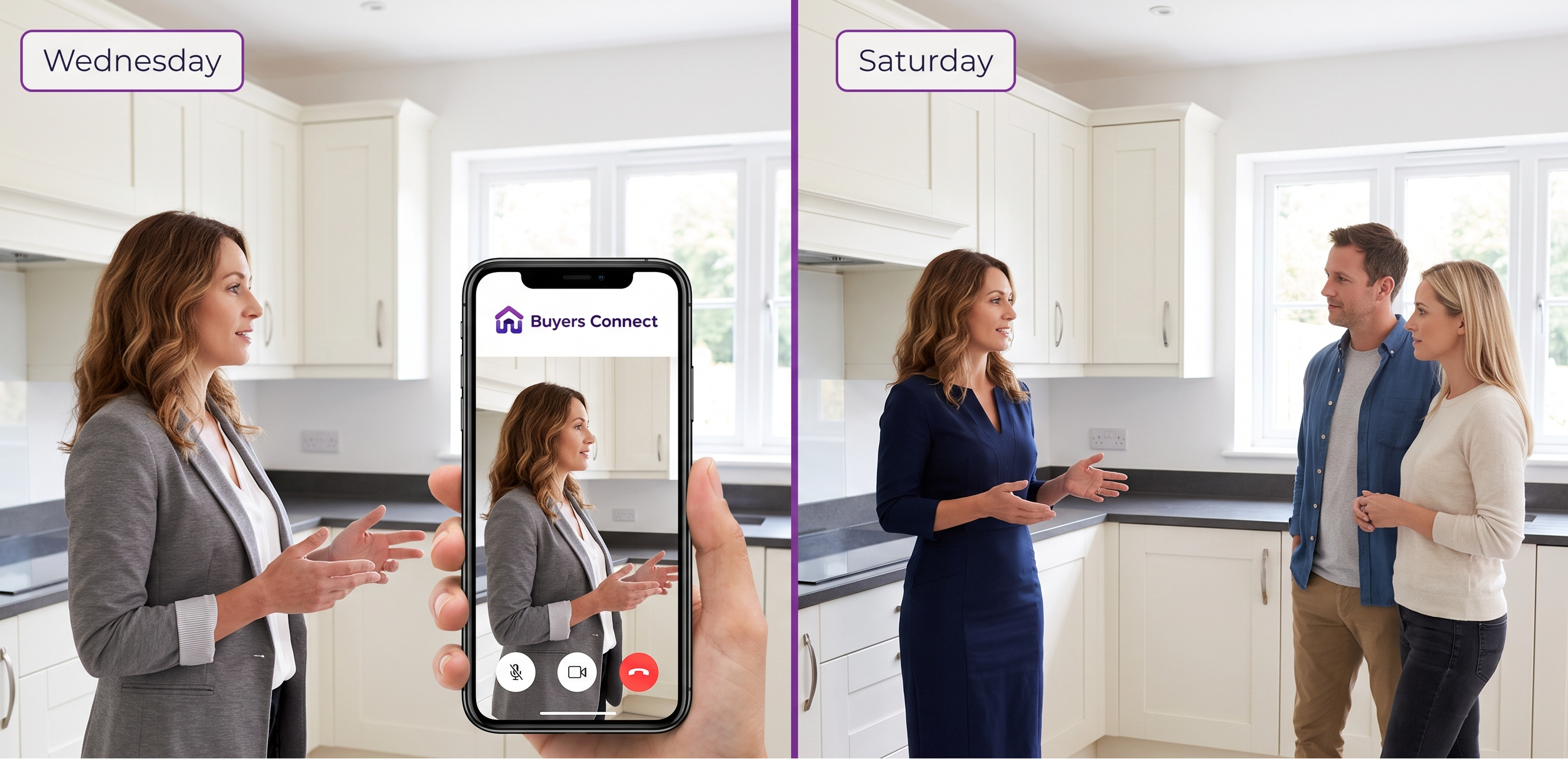
The fastest way for an agent to get more of their enquiring buyers through a property, without adding more open homes, is to give those buyers a second way in: a live, hosted remote showing, run midweek and straight after each open home, using a structured platform such as Buyers Connect. Price, photography and portal placement create enquiries. They do nothing for the enquirer who works Saturdays, lives three hours away, or has another inspection booked at the same time. That buyer is already interested. The campaign simply never gives them a time that works. A remote showing fixes that, and the buyer feedback that follows it tells the agent exactly what each buyer wants to do next.
That is a strong claim, so here is why it holds up, where the usual advice fits, and what the numbers from a real campaign look like.
Most advice on "getting more buyers" is really advice on getting more attention. Attention and access are two different problems, and they need different fixes.
A regional NSW campaign we followed recently shows the gap clearly. In its first two weeks, the vendor's report from the agent showed:
|
Stage |
Buyers |
|---|---|
|
Listing views |
5,400+ |
|
Saved or shortlisted the property |
232 |
|
Made an enquiry |
around 40 |
|
Inspected in person |
3 |
More inspections were booked for later in the campaign, so the final ratio will improve. But at the two-week mark, roughly one in thirteen enquirers had been through the door.
That is not a bad campaign. It is a normal one. The marketing worked: hundreds of buyers shortlisted the home and around 40 cared enough to make contact. The drop happened between enquiry and inspection, which is the one stage the marketing budget does not touch.
We do not know why each of those buyers did not inspect. Some were not serious, some bought elsewhere, and some will inspect later. Interest from buyers more than an hour's drive away was noted in the agent's report. The point is not that every enquirer would have inspected. It is that an agent with no second way in has no way to find out.
There is a second gap too. Of the three buyers who did inspect, the agent's report could only say what they mentioned on the day. Open home feedback is usually whatever the agent remembers from a few minutes at the door. That makes it hard to tell a vendor which buyers are genuinely moving towards an offer.
These all matter, and none of this post argues against them. They just solve the top of the funnel.
Every one of these creates or nurtures interest. None of them gives an interested buyer another time to see the property. If the only inspection on offer is 30 minutes on a Saturday, more enquiry simply means more buyers who cannot make it.
Three groups of genuine buyers struggle with a weekend-only inspection schedule.
Buyers from out of the area. Distance is the most measurable barrier. PropTrack found that 23% of buy enquiries on realestate.com.au in 2023 came from buyers in a different state, up from 11% in 2020. NSW had the lowest share at 15%, but that figure excludes buyers from elsewhere in NSW, such as Sydney buyers looking at regional listings. Little Hinges, which tracks remote inspections, has reported that around 22.6% of inspections across major regions came from interstate, with over 30% on the Gold Coast and Sunshine Coast.
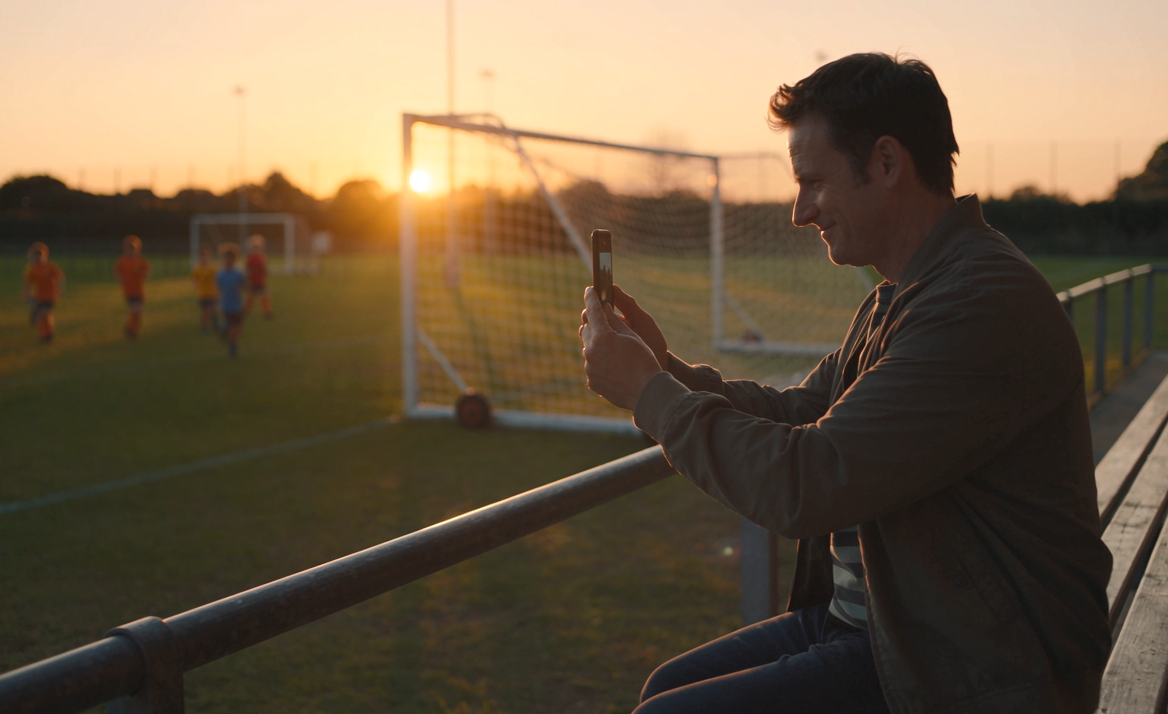
Local buyers with a clash. Kids' sport, Saturday shifts, weekends away, and two open homes booked for the same half hour. There is little published data on this group, so we will not invent a number. Any agent who has fielded a "can I see it another time?" call knows they exist. Buyers who miss out on access often simply move on.
Buyers who would rather look first. Plenty of buyers want to rule a property in or out before giving up a Saturday morning. Without a remote option, they rule it out from the photos.
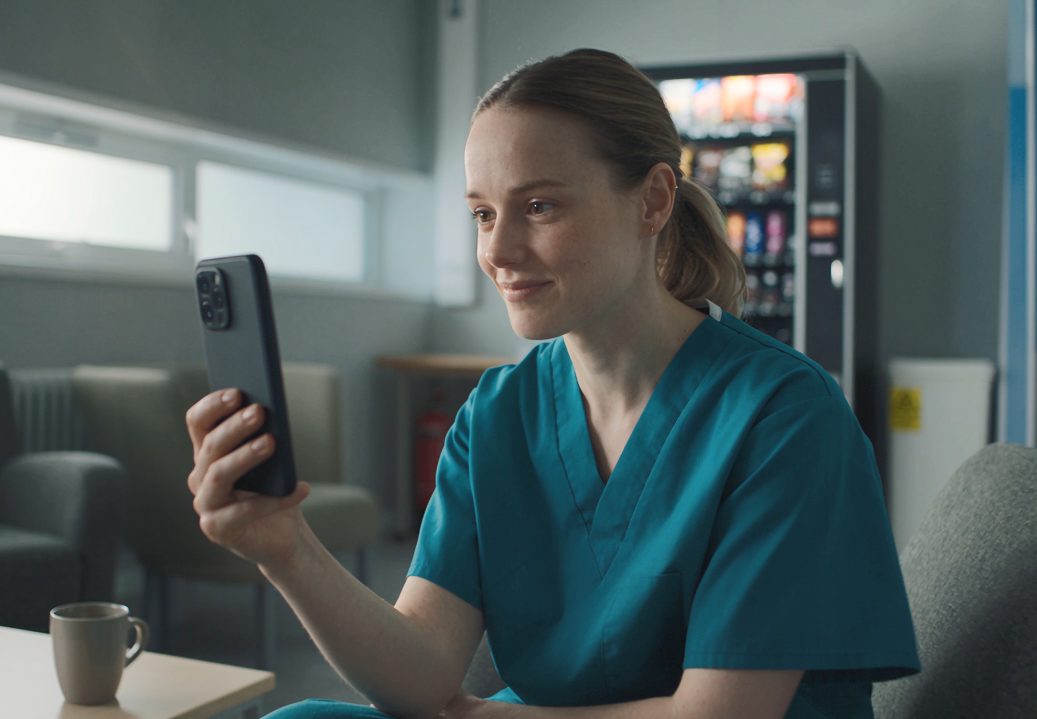
The obvious fix is more open homes and private inspections. That works, but it costs the agent hours and the vendor yet another tidy-up. A live remote showing adds access without adding a trip. One showing can host many remote buyers at once, so the agent's time per buyer drops as attendance rises.
The sequence we recommend, based on the Remote-First Inspection Sequence:
In the campaign above, that would have meant one clear invitation to every enquirer and saver who had not inspected. Not all of them would join, and we would not claim they would. But each one who did is a buyer the campaign would otherwise have lost, reached without another open home, and each one would have left a clear answer about what they wanted next.
Many agents already do a phone video call for the odd interstate buyer. It is better than nothing, but it does not scale and it leaves nothing behind.
|
Phone video call |
Buyers Connect |
|
|---|---|---|
|
Buyers per walkthrough |
One |
Many at once |
|
Buyer interaction |
Watch and ask out loud |
Ask questions, take their own photos, add comments |
|
Record for the agent |
Memory only |
Who was invited, who joined, how long they stayed |
|
Buyer feedback for the agent |
Whatever the buyer volunteers |
Yes or no, with comments, on: contact from the agent, contract sent, private or in-person inspection, offer and auction updates, and whether the price guide meets expectations |
|
Record for the buyer |
None |
Watermarked, time-stamped photos and their notes |
|
Something to show the vendor |
No |
Yes |
Those last rows matter most with the vendor. An agent can show exactly which buyers viewed remotely, for how long, how many asked for the contract or an inspection, and how many think the price guide is right. The price guide answers are especially useful. If several engaged buyers say no, the agent has written buyer evidence for a pricing conversation, not just a hunch.
What is the best way for an agent to get more buyers through a property? Make sure the marketing creates enquiry first, through price, presentation and reach. Then give enquiring buyers more than one way to inspect. A live remote showing midweek and after each open home reaches buyers a Saturday-only schedule misses, without the agent running more open homes.
Does a remote showing reduce open home attendance? There is no evidence it does, and the closest available data points the other way. Barfoot & Thompson's 2018 study found buyers who viewed a virtual tour were more likely to attend an open home. Many remote viewers were never going to attend on Saturday anyway.
Is this only useful for interstate buyers? No. Distance is the easiest barrier to measure, but local buyers with a Saturday clash are just as easy to lose.
How much does it cost? Buyers Connect is AUD $249 per property, giving agents unlimited showings for that property. The cost is typically passed to the vendor like photography or a floor plan. New agents get their first five showings free. See pricing.
How long does a post-open-home showing take? Around 15 minutes although there is no limit to the length of time or the number of buyers who attend. The home is already presented and the agent is already there.
What feedback does the agent get after a remote showing? Each buyer answers five yes or no questions, with an optional comment on each: whether they want the agent to contact them, the contract sent, a private or in-person inspection booked, updates on offers or the auction, and whether the price guide meets their expectations.
Can buyer feedback help with pricing conversations? Yes. Price guide answers come directly from buyers who have seen the property, so an agent can show the vendor how engaged buyers view the price rather than relying on impressions from the open home.
Do buyers need to download anything? Yes. Buyers and the selling agent both use the Buyers Connect app. It is free for buyers, and only the seller pays, so there is no cost barrier to a buyer joining a showing.